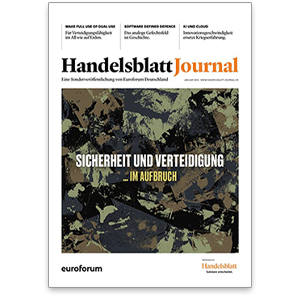

Advertorial Article from the Handelsblatt Journal Security and Defense
How the defense sector can attract and retain talent
Security is no longer a given, and technological progress is not only a driver of innovation but also the foundation of modern defense. In a world of increasing geopolitical tensions, building technological resilience is becoming a strategic necessity. Germany has recognized this shift and faces the challenge of future-proofing its defense sector. At the heart of this effort are qualified STEM professionals.
The good news: The defense industry is a highly specialized job market with considerable growth potential, particularly in areas such as cybersecurity, AI, data analytics, and systems architecture. The German Armed Forces' special fund of €100 billion alone increases the demand for talent.
As always, there's a catch, because the skills shortage is also affecting this sector: Even before the Ukraine crisis, Germany was lacking over 240,000 STEM specialists. Yet these are precisely the people who are crucial for operational protection systems, resilient cyber infrastructures, and the implementation of security policy projects.
More than just know-how: What specialists for safety-critical roles need to bring to the table
In safety-critical sectors, more than just technical excellence is required: integrity, a sense of responsibility, and the ability to operate within highly regulated structures are indispensable. We're talking about people who can not only work with code, but also with complex ethical questions and clear safety standards. Identifying the right talent, training them for these demanding tasks, and retaining them long-term is not an operational issue – it's a key strategic task.
New approaches to recruiting: How the defense sector attracts talent
Those who want to attract skilled workers to the defense sector must offer more than just an attractive salary. Meaningful work, flexible work arrangements, and the opportunity to make a societal contribution are crucial. Traditional recruiting methods are reaching their limits in this context. Success lies in investing in long-term strategies. University partnerships provide early access to young talent and increase visibility as an innovative employer. Building strong talent networks fosters trust and close relationships. And last but not least, new job profiles are needed that combine technical expertise with a strong sense of security responsibility.
An often underestimated success factor is location. Regions with a high quality of life and excellent educational infrastructure, such as Hamburg, Bremen, Düsseldorf, or Munich, offer ideal conditions for attracting qualified workers. Targeted collaborations and regional visibility are crucial levers in the skilled labor market.
ABOUT STHREE
As a global STEM workforce consultancy, SThree has been supporting companies, including those in the defense sector, for years in identifying, training, and integrating these skilled professionals. Our goal: to put the right people in the right positions to make security possible. Because without qualified personnel, budgets remain unused and security policy objectives unachieved.

Photo: © SThree (Portrait)